

American and German researchers presented interim results from a clinical trial of donor fecal transplantation to prevent graft-versus-host disease following hematopoietic stem cell transplantation for hematologic malignancies. The procedure was found to be relatively safe, and the degree of microbiota engraftment and its effectiveness depended on the proper selection of the donor. The study was published in the journal Nature Communications.
Acute graft-versus-host disease (GVHD) is a complication of hematopoietic stem cell allotransplantation, in which the donor's immune cells attack the recipient's tissues, most commonly the gastrointestinal tract, liver, and skin. Despite prophylactic immunosuppression, GVHD affects up to half of patients, significantly worsening their condition and potentially leading to death. Disruptions in the gut microbiota increase the likelihood and severity of this complication, leading to the idea of using donor stool transplants for its prevention. Pilot trials have yielded inconclusive results and have had numerous limitations due to the high heterogeneity of the study and control groups and the use of third-party donor material.
Armin Rashidi, the leader of the previous study from the Fred Hutchinson Cancer Center, and colleagues from Germany and the United States decided to conduct the next trial in two phases. The first phase, the results of which have now been published, involved selecting the optimal donor for the second phase—a double-blind, randomized, placebo-controlled trial—and assessing the engraftment of the donor microbiota and safety.
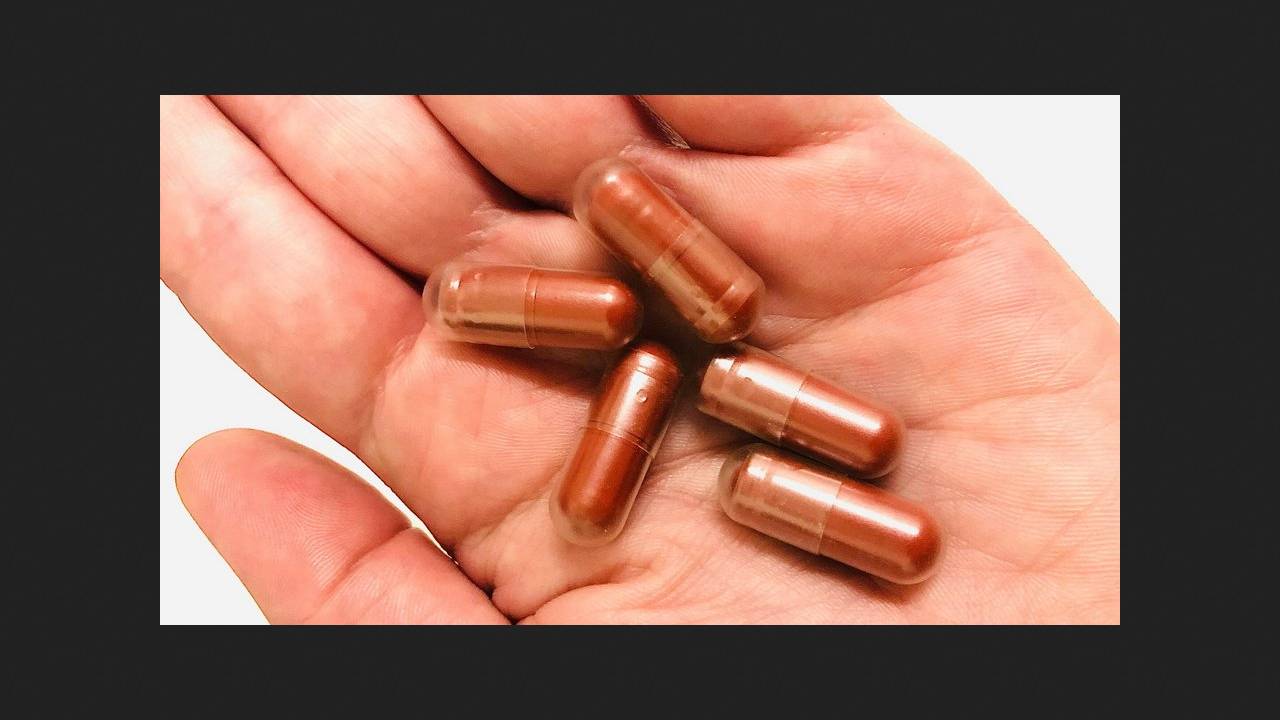
In the preliminary phase, 20 patients (median age 45 years; 55 percent men) received fecal transplants from three donors (six from the first, six from the second, and eight from the third) orally in the form of enteric-coated capsules three times daily for one week. Treatment began 19–40 (median 25) days after hematopoietic stem cell transplantation and 2–9 (median 4) days after the last dose of antibiotics. Two patients required antibiotics during treatment, and one did not provide a stool sample after completion of treatment and was not included in the engraftment analysis.
Most patients experienced transient mild to moderate gastrointestinal symptoms, and no serious adverse events were observed. Dose-limiting toxicities were reported in two participants but were considered unrelated to treatment. During the 180-day observation period, relapse of the primary hematological malignancy occurred in three patients, one of whom died as a result.
Grade III–IV GVHD developed in three (15 percent) participants, all of whom received a fecal transplant from the first donor. Two developed isolated skin lesions (on days 15 and 16 after the first dose), which resolved with glucocorticoids. One developed a later (after 130 days) isolated lower intestinal lesion with severe diarrhea, multifunctional decompensation, anasarca, and cytomegalovirus circulating in the blood. He required prolonged hospitalization and treatment with ruxolitinib and extracorporeal photopheresis.
The highest sustained engraftment rate—a median of 66 percent—based on shotgun sequencing of patient stool was demonstrated by the gut microbiota of the third donor. It was characterized by a high content of the bacterium Bifidobacterium adolescentis. High engraftment rates correlated with more favorable clinical outcomes. The greatest effect was observed in recipients with a poor baseline gut microbiota. Following the results of the randomized, placebo-controlled phase (it is planned that over 100 patients will participate), only the third donor was selected for the randomized, placebo-controlled phase.
Therefore, evidence-based donor selection is essential for fecal transplantation to prevent GVHD after hematopoietic stem cell transplantation. The procedure itself is quite safe, even given the severely compromised immune system in these patients. Its effectiveness is being studied in phase II trials.
Fecal transplantation was initially developed to treat pseudomembranous colitis caused by the bacterium Clostridioides difficile during long-term antibiotic therapy. Similar drugs have already been approved for clinical use in Australia and the United States. This technique has been successfully tested in experiments to improve the composition of the gut microbiota after cesarean section, as well as to alleviate symptoms of autism spectrum disorders, Parkinson's disease, and gastroenteropathy associated with type 1 diabetes.
