

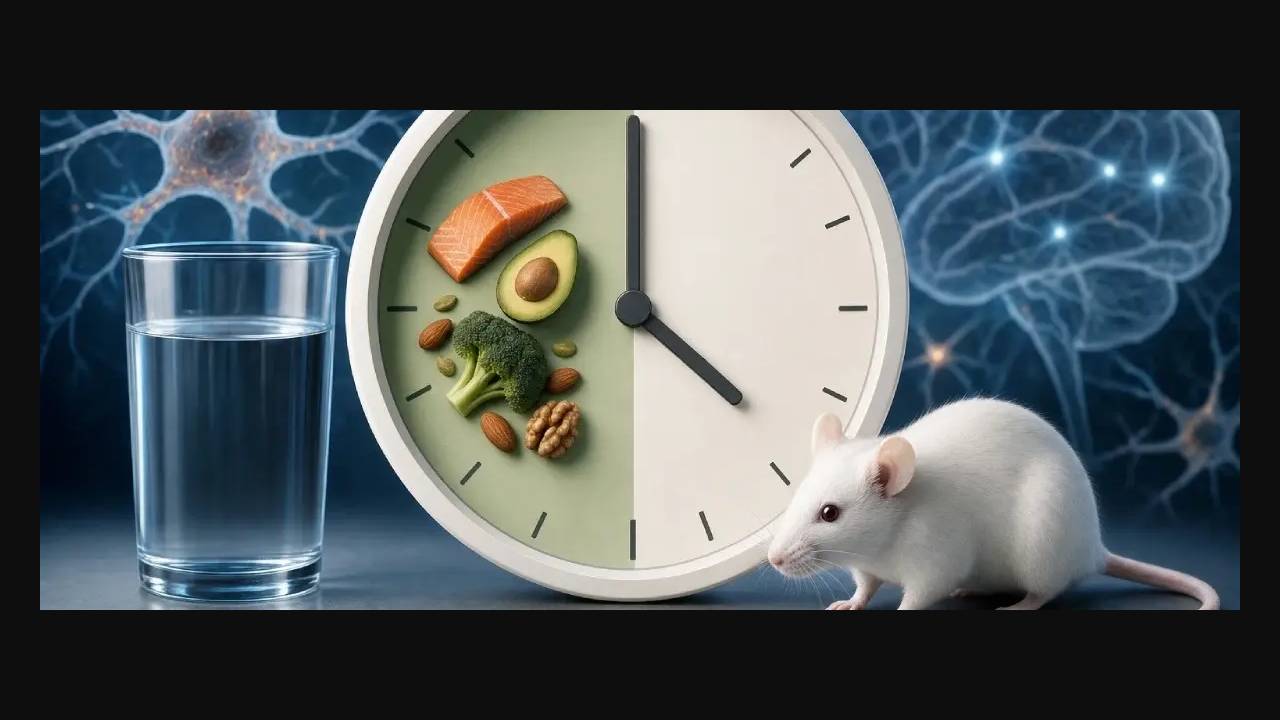
Chronic stress is considered a key factor in the development of depression and neurodegenerative disorders. One of the most dangerous consequences is damage to the myelin sheath of nerve fibers, which is essential for rapid signal transmission between neurons. Scientists decided to study the effects of intermittent fasting on the brain of mice under chronic stress and found significant benefits. Medical Express reports on the findings.
They first found that unlimited access to food increased the negative effects of chronic stress in mice compared to those on intermittent fasting. The latter had higher energy levels and reduced signs of depression. Subsequent observations revealed signs of myelin damage in various brain regions in the mice from the first group. In contrast, intermittent fasting neutralized these negative effects.
Finally, scientists documented the restoration of gut microbiota in mice undergoing intermittent fasting. It is believed that the increase in beneficial gut bacteria contributed to the restoration or protection of myelin sheaths in the brain.
The results open new possibilities for developing methods for the prevention and treatment of depression and other neurological disorders. However, further research is needed to evaluate the effectiveness of intermittent fasting in preventing the effects of stress on the brain.
Meanwhile, another study previously showed that fiber is better for gut microbiota than fasting.
