

Danish researchers conducted the world's first pilot clinical trials, which demonstrated that fecal transplantation can significantly improve the condition of patients with gastroenteropathy associated with type 1 diabetes. A report on the study was published in the journal eClinicalMedicine.
Diabetic gastroenteropathy develops due to autonomic neuropathy, Cajal cell dysfunction, and decreased intestinal smooth muscle contractility in diabetes. These factors lead to slower intestinal transit and fecal accumulation, which disrupts the composition of the intestinal microbiota and its interactions with the intestine and central autonomic nervous system, as well as exacerbates systemic inflammatory responses. Symptoms include nausea, vomiting, abdominal pain, bloating, constipation, diarrhea, and fecal incontinence, which increases morbidity and reduces work capacity and quality of life. Available treatment options are extremely limited.
Stool transplants from healthy individuals are primarily used to treat pseudomembranous colitis caused by the bacterium Clostridioides difficile—a life-threatening condition that most often develops after prolonged antibiotic therapy and is resistant to it. Stool banks are being created for this purpose, and similar products have already been approved for clinical use in Australia and the United States. In experiments and trials, it has been successfully used to improve the composition of the gut microbiota after cesarean section and to alleviate the symptoms of autism spectrum disorders and Parkinson's disease.
Katrine Lundby Høyer of Aarhus University and colleagues conducted the double-blind, randomized, placebo-controlled phase I FADIGAS trial. They enrolled 20 adult patients with type 1 diabetes for at least five years, severe gastroenteropathy (GSRS-IBS score of 40 or more), and no other chronic or infectious gastrointestinal diseases over a two-year period.
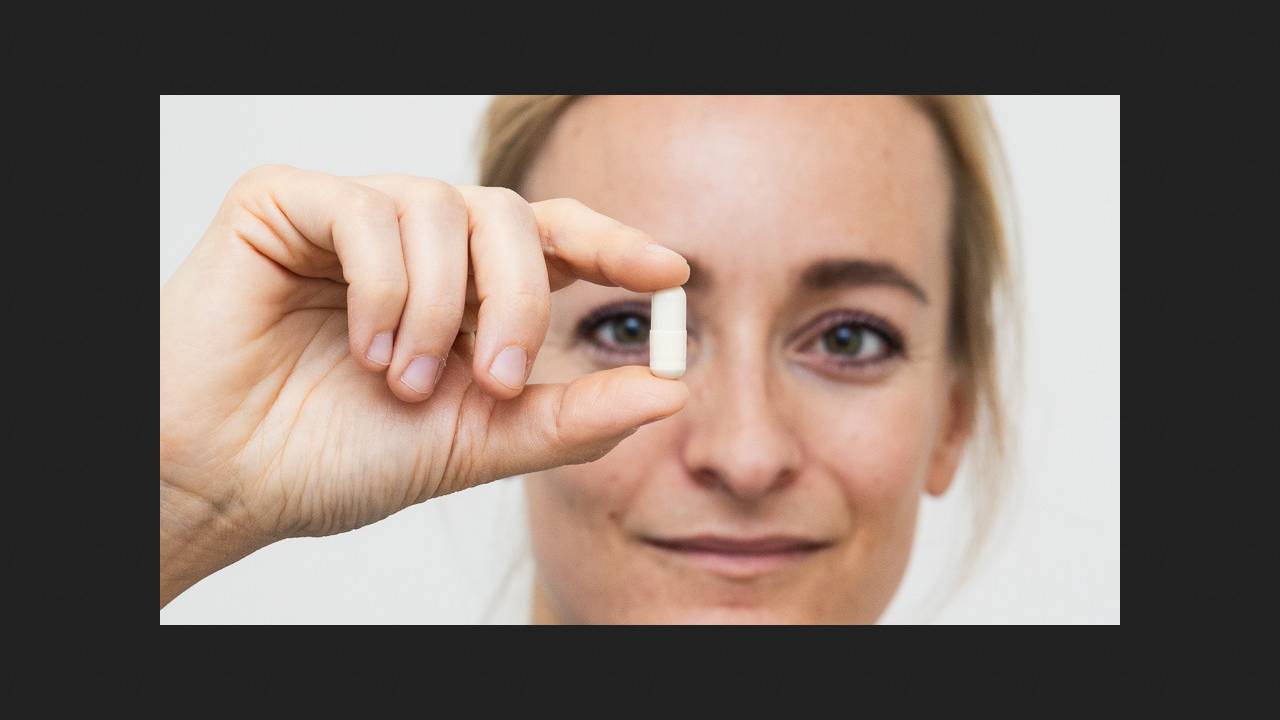
Half of the participants were randomly assigned to receive a single dose of 25 enteric-coated capsules containing a total of 50 grams of feces collected from eight healthy individuals after a thorough examination; the other half received a placebo. After four weeks, they were examined and then given the fecal sample in an open-label manner, with a repeat examination four weeks later. Before and during treatment, stool samples were collected, and symptoms and quality of life were assessed.
After treatment, the median symptom severity on the GSRS-IBS scale decreased from 58 to 35 points in the study group and from 64 to 56 points in the control group (p = 0.01). The median quality of life associated with gastrointestinal symptoms on the IBS-IS scale improved from 108 to 140 and from 77 to 92 points, respectively (p = 0.02). The subjective assessment of symptom severity on the PAGI-SYM scale decreased from a median of 42 to 25 and from 47 to 41 points, respectively (p = 0.03). DNA analysis of the patients' gut microbiota demonstrated significant changes after the fecal transplant, towards enrichment and species diversity.
During the trial, 26 moderate and serious adverse events were reported in four patients receiving active treatment and five in those receiving placebo, with no significant differences between groups. None were considered treatment-related. The most common adverse events were diarrhea, bloating, and abdominal pain.
Thus, in pilot trials, fecal transplantation proved to be quite safe and reduced the severity of symptoms, improving quality of life, in patients with gastroenteropathy associated with type 1 diabetes. Larger studies will further clarify the efficacy and safety data, the authors conclude.
Fecal transplantation is generally well tolerated, but isolated side effects and even deaths have been reported worldwide during its use.
