
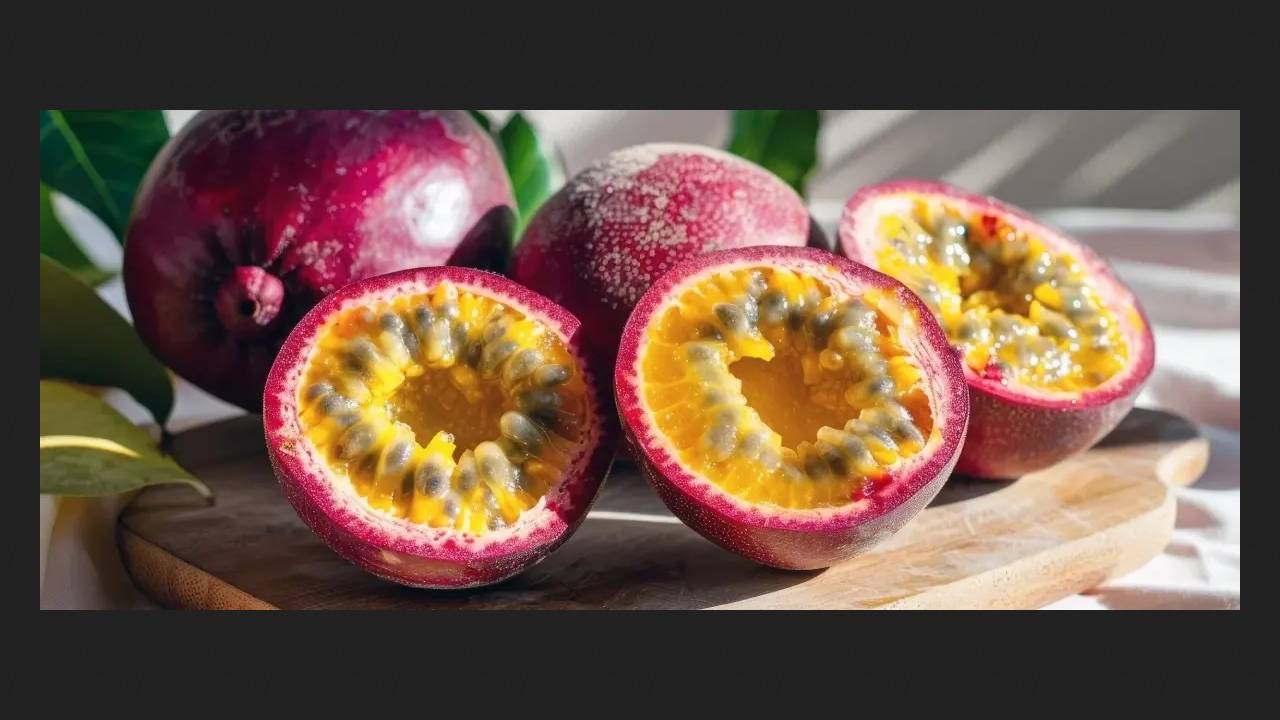
A study by a team from the University of Oslo found that a molecule derived from passion fruit called alpha-amyrin protects the brain from degeneration, News Medical reports . It turns out it acts like a protective guard, preventing the accumulation of toxic proteins, the main signs of neurodegeneration. However, alpha-amyrin also has other effects.
A major problem associated with Alzheimer's disease and other neurodegenerative diseases is mitochondrial dysfunction. Experiments have shown that alpha-amyrin protects mitochondria, preventing disruptions in energy production.
In experiments with mouse models of Alzheimer's disease, alpha-amyrin reduced protein aggregation and improved the rodents' memory. Furthermore, a reduction in inflammation was noted.
Further analysis revealed alpha-amyrin's mechanism of action: the molecule triggers a cascade of reactions that induce autophagy, where the cell removes damaged elements, including defective mitochondria.
Particularly important is that alpha-amyrin can persist in the blood and penetrate the brain, crossing the protective blood-brain barrier. Therefore, the molecule has the potential to be used as the active ingredient in a drug. The authors are already testing various candidates.
It's worth noting that alpha-amyrin is found not only in passion fruit but also in other colorful fruits and vegetables. "We know from previous research that eating colorful fruits and vegetables is beneficial for the brain. Now we see that these benefits are likely due to natural ingredients found in passion fruit, as well as other fruits and vegetables," the authors concluded.
In another study, researchers previously found that fruit consumption significantly reduced the risk of depression.
