
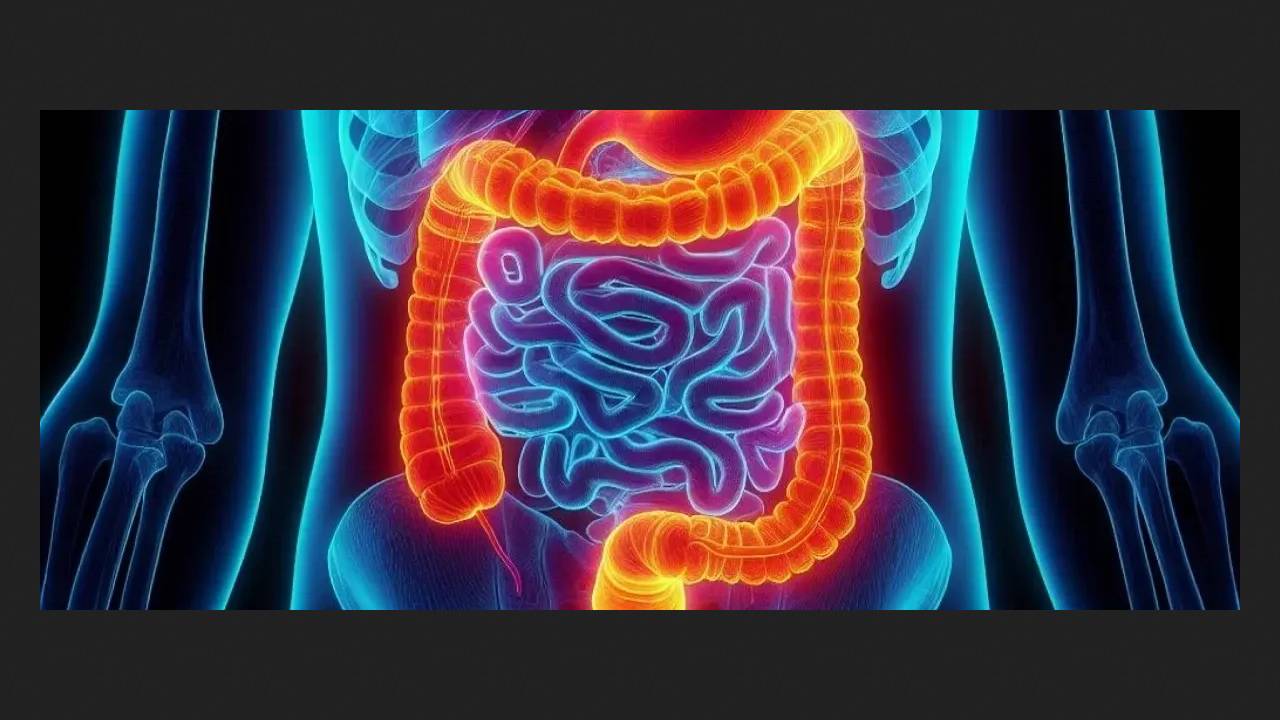
New work by a team of US researchers confirms that adipose tissue is highly adaptive. For years, scientists have sought to find ways to safely convert white fat to brown fat as a potential strategy for improving metabolic health. Now, they have discovered that certain gut bacteria can sense the host's diet and convert this information into signals that trigger fat cells to burn energy, as reported on the Medical Express website.
Experiments on mouse models have shown that low-protein diets lead to increased brown fat formation in rodents, but this result is only achieved with a specific gut microbiota composition. Scientists have discovered that gut bacteria first send a signal to increase calorie burning and then stimulate the liver to secrete more of the metabolism-boosting hormone FGF21.
When they interrupted either signal, the fat-burning effect disappeared, showing that the two signals need to work together for the process to be successful.
The new biological mechanism is planned to be used to develop new treatments for obesity and other metabolic disorders. However, the authors strongly recommend against interpreting the results literally, such as reducing protein intake.
Previously, other scientists have shown that microbiota transplantation successfully treats obesity in adolescents: just one course of treatment led to a significant reduction in the risk of complications associated with metabolic syndrome due to excess weight.
