
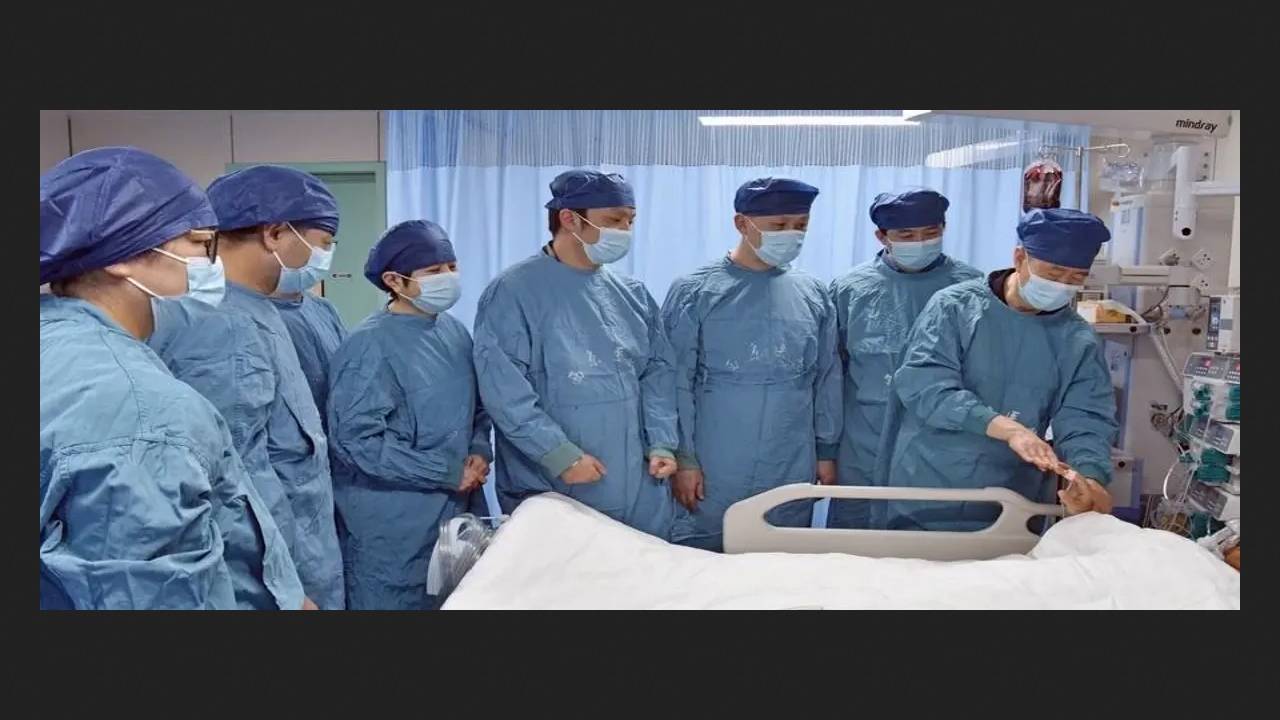
Doctors performed extracorporeal perfusion, a procedure that connects the human circulatory system to the liver of a pig placed in a mechanical device outside the body, China Daily reports . Unlike standard xenotransplantation, this approach is less invasive and reduces the need for immunosuppression after transplanting the GM pig organ.
The surgery lasted 66 hours. The organ was placed in a specialized perfusion apparatus and connected to the patient's femoral vein to establish a circulatory system. The organ is currently functioning stably: the liver is performing all necessary functions, including detoxification.
Despite severe liver failure, doctors preserved the patient's liver. He now has a temporary, stable solution and will await a human donor organ to replace the damaged one, eliminating the need for an animal-derived organ.
A new xenotransplantation strategy aims to address the acute shortage of human donor organs. In China, over 400 million people live with liver disease, and approximately 200,000 require a transplant annually. The authors believe that using minimally invasive xenotransplantation will allow more patients to wait for a suitable donor organ.
This approach is likely to be more effective than conventional xenotransplantation. A liver transplant from a GM pig to a human was previously performed in China, but the patient died six months later due to unexplained internal bleeding.
