
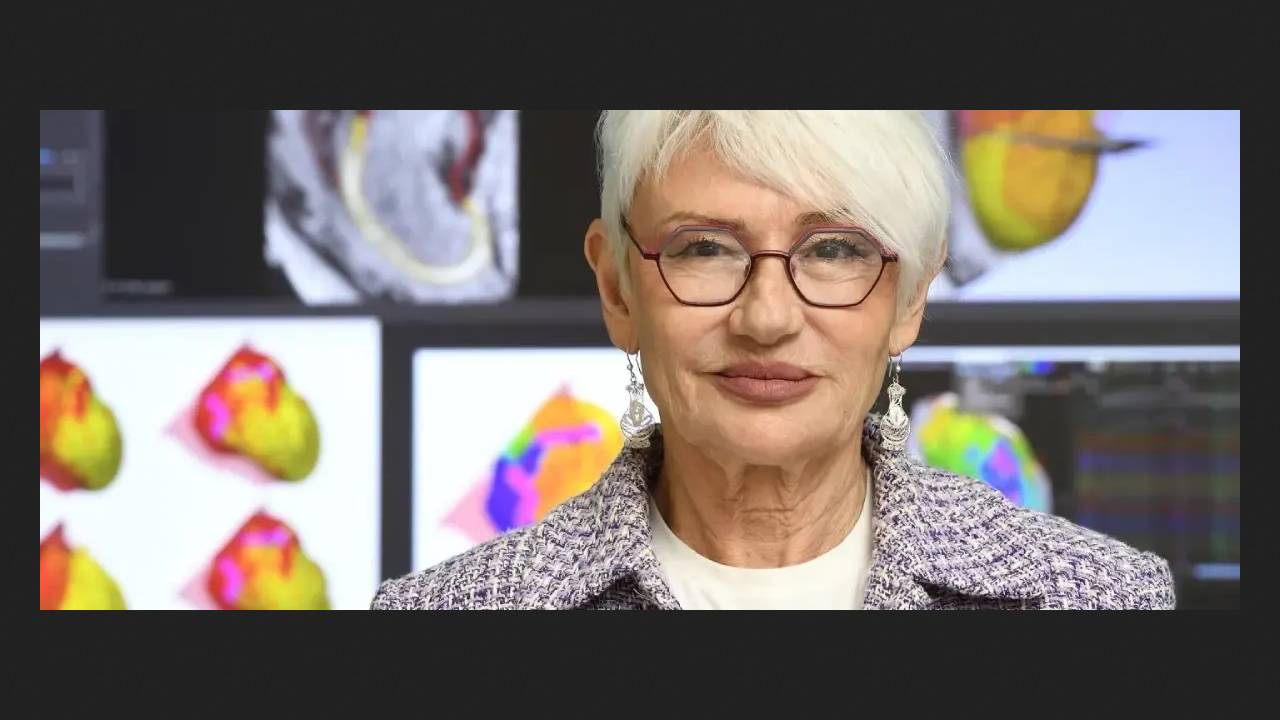
The researchers created personalized digital copies of the heart for each of the ten study participants based on 3D MRI images. Using these models, they studied the heart's electrical activity, identified sources of ventricular tachycardia, optimal ablation sites, and the likelihood of arrhythmia recurrence after the procedure. This approach made it possible to test various treatment scenarios in advance and select the most effective option for the actual surgery.
As a result, all procedures were faster and more accurate than traditional methods. Not a single patient experienced arrhythmia recurrence more than a year after ablation. By comparison, the long-term success rate for traditional ablation treatment is only 60%.
Currently, eight patients have completely discontinued their maintenance medications, and two have reduced their medication dosage.
"With a digital twin, we can test different treatment scenarios before actually treating the patient and suggest the best option to the treating physician, minimizing damage to the heart and increasing the chances of success," said study co-author Natalia Trayanova.
The technology has proven its safety and effectiveness in pilot clinical trials. The team now plans to expand the use of digital twins to other heart diseases in larger studies.
Meanwhile, other scientists have studied risk factors for arrhythmia and found that coffee reduces, rather than increases, the risk of arrhythmia, as was previously thought.
