
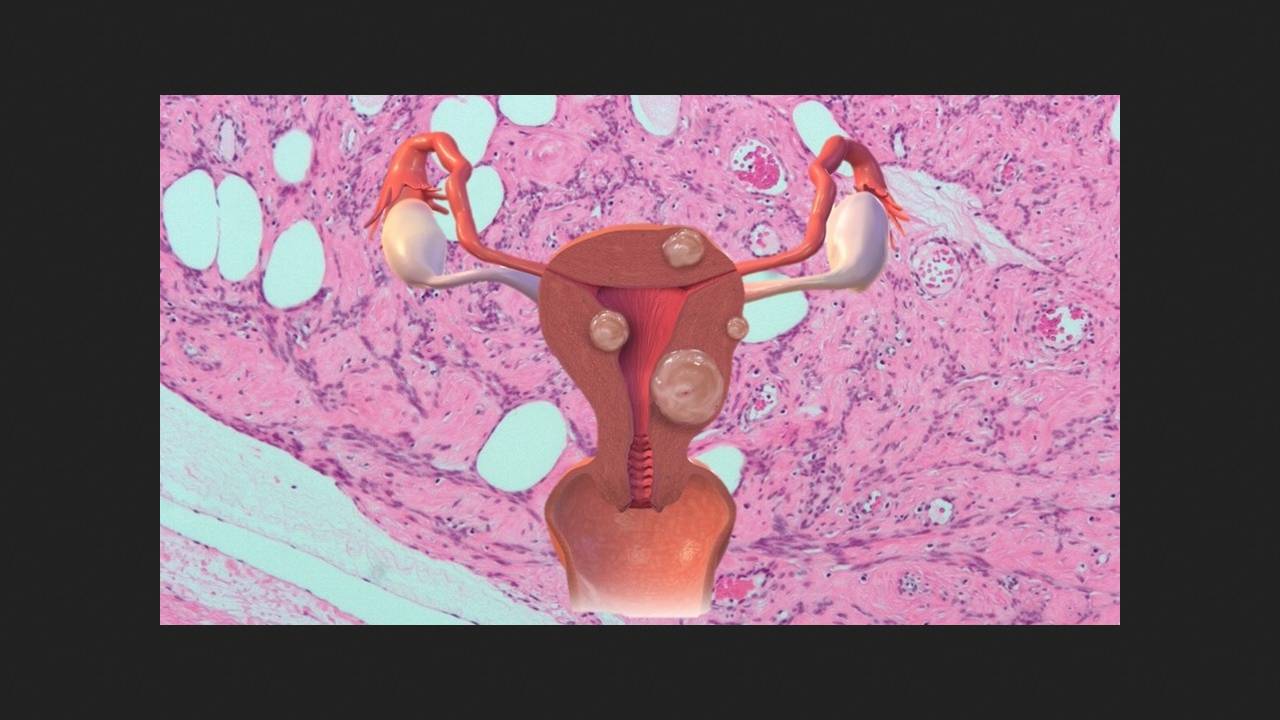
A population-based study by American scientists has shown that uterine fibroids are associated with a persistently increased risk of atherosclerotic cardiovascular disease for ten years after diagnosis. As reported in the Journal of the American Heart Association, the relative risk over ten years was 1.81, with results remaining consistent after adjusting for demographic covariates.
Uterine fibroids are benign tumors that develop in the muscular layer of the uterus—the myometrium. Women often complain of heavy menstrual bleeding, dysmenorrhea, and pelvic pain. Although the cause of these tumors remains unclear, these fibroids share common pathogenic features with atherosclerotic cardiovascular diseases.
Both originate from smooth muscle cells: myoma growth is driven by smooth muscle proliferation, fibrosis, and calcification, and in atherosclerosis, these same processes lead to plaque formation in arterial walls. Furthermore, myomas trigger the release of inflammatory mediators (such as interleukin-6 and tumor necrosis factor-α) into the systemic circulation, causing chronic systemic inflammation and oxidative stress and increasing the risk of cardiovascular disease. However, whether myomas are associated with the development of cardiovascular disease in the future remains unclear.
To address this gap in understanding, a team of scientists led by Ellen Caniglia of the University of Pennsylvania conducted a large-scale population-based cohort study, examining data on nearly three million people. The study group included 450,177 women with uterine fibroids, while the control group included 2,250,885 healthy women.
The mean age of participants at baseline was 40.93 years, and the mean follow-up time was 5.18 years in the fibroid group and 4.02 years in the control group. In the fibroid group, there were 6.45 cardiovascular events per 1,000 person-years, compared with 2.99 events per 1,000 person-years in the control group.
The adjusted relative risk of developing atherosclerotic lesions within one year of diagnosis was 2.47 times higher than in the control group. The adjusted risk difference increased over time, with the relative risk decreasing slightly to 1.81 over the 10-year follow-up period.
Coronary heart disease was found to be the most common cardiovascular pathology, with the highest relative risk for peripheral arterial disease (2.52 over the first year and 1.9 over the first ten years). Adjustment for confounding factors, sensitivity analyses, and subgroup analyses did not significantly alter the observed patterns.
According to the scientists, these results will help develop preventative strategies for patients with uterine fibroids. The researchers emphasize the importance of a comprehensive approach to diagnosing both short-term and long-term complications of this disease.
We've previously discussed other risk factors for cardiovascular disease, including exposure to night light and living in sedentary communities.
