
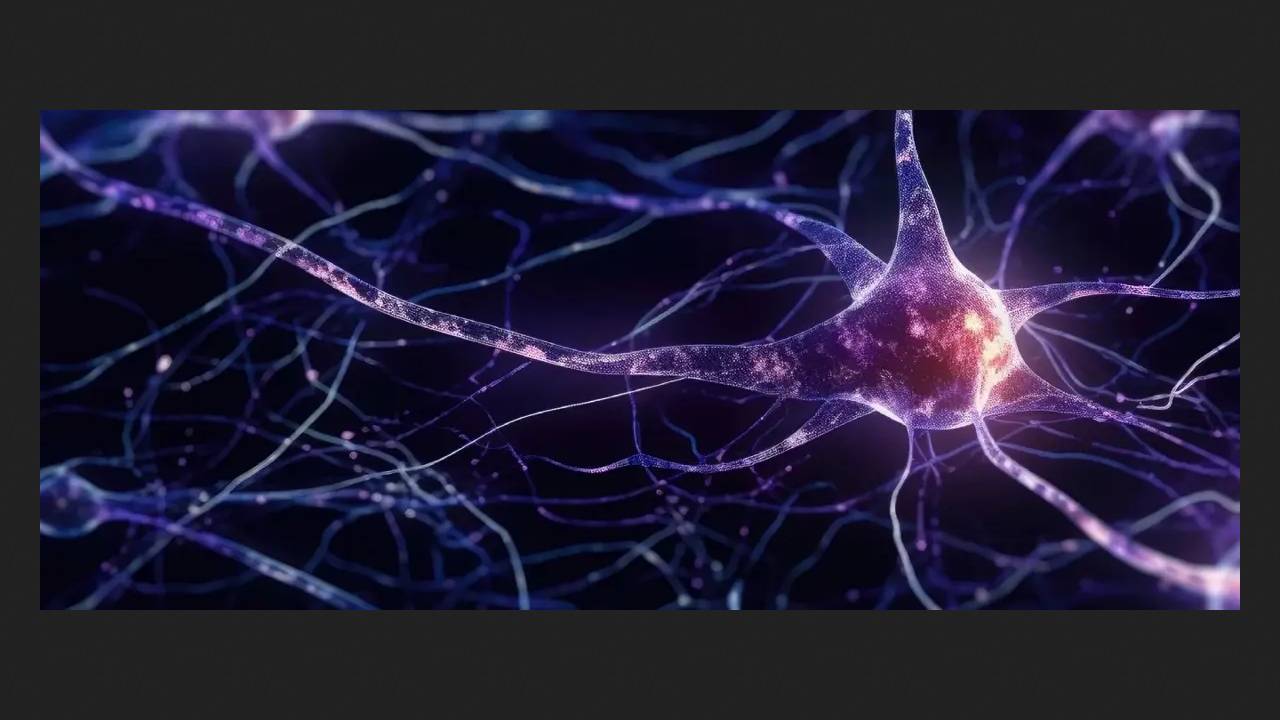
A team from Helmholtz University Munich has presented the first evidence that the process of programmed cell death, ferroptosis, contributes to neurodegeneration in the brains of adults and children.
The researchers first discovered how neurons protect themselves from ferroptotic cell death. A key player in this mechanism was the enzyme GPX4, which integrates into the cell membrane for protection. They then began studying the nature of neurodegeneration in children with a rare form of organic dementia, which occurs suddenly after a period of normal development.
Analysis of brain tissue samples from these patients revealed the same change in the GPX4 gene—the R152H mutation. Further experiments confirmed that dementia develops without functional GPX4.
For example, in mice, the mutation provokes neuroinflammation, neuronal death, and severe movement disorders. Remarkably, a similar pattern is observed in adult patients with Alzheimer's disease: increases and decreases in the levels of certain proteins in humans were comparable to the changes in mice.
"Thus, ferroptotic stress may trigger not only rare forms of early-onset dementia but also more common ones such as Alzheimer's disease," the authors stated.
Based on new data, they see ferroptosis as a driving force behind neurodegeneration, rather than a side effect.
Scientists are currently testing ways to block ferroptosis to slow neurodegeneration. Initial experiments have confirmed the feasibility of this strategy.
Previous studies have shown the benefits of music and exercise in reducing the risk of dementia. Importantly, benefits can be achieved even in those with a genetic predisposition.
