
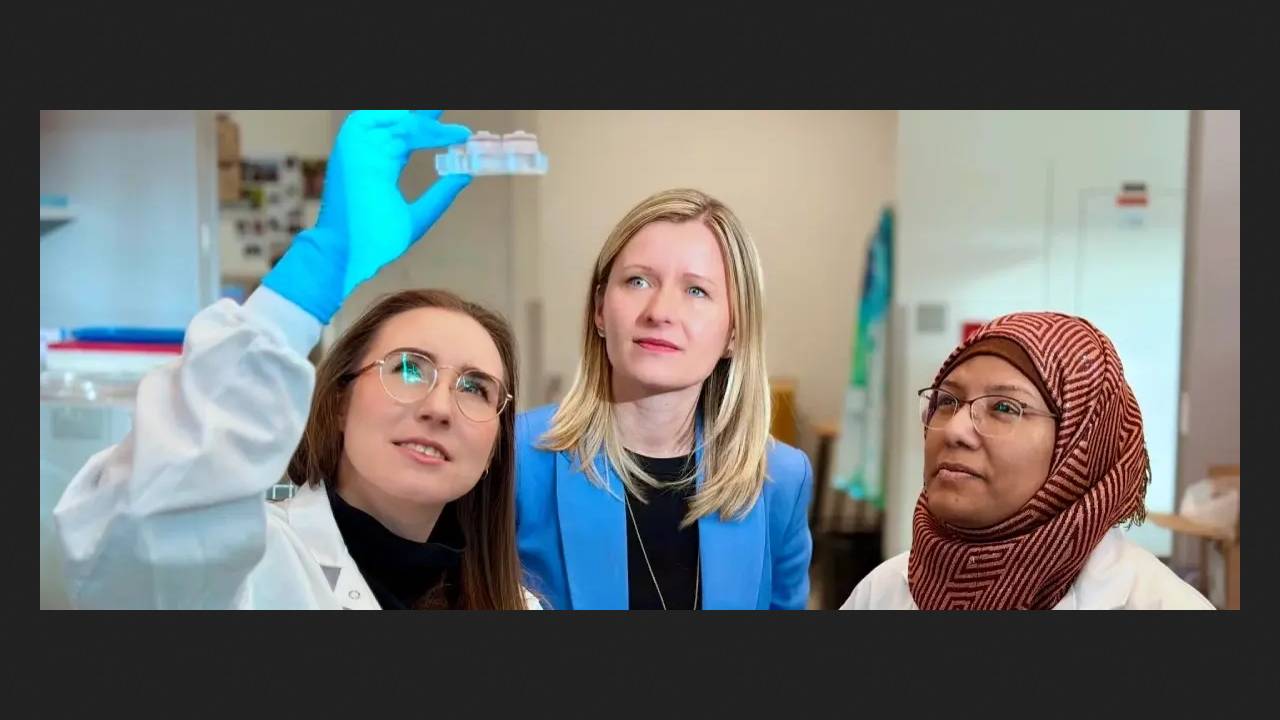
The first gene therapy using lipid nanoparticle delivery technology can correct defective genes when applied directly to human skin, according to the University of British Columbia website. The initial results, tested in a human model of a congenital skin disorder, are being hailed as a breakthrough in the treatment of a wide range of conditions.
"These findings could lead to successful treatment of both severe hereditary diseases and simpler but debilitating ones, such as eczema and psoriasis. The therapy will address the underlying cause," the scientists commented.
Preclinical experiments demonstrated that the new approach successfully corrected the most common genetic mutation causing autosomal recessive ichthyosis, a rare and life-threatening inherited skin disorder. A single topical treatment resulted in approximately 30% skin restoration.
During the treatment, scientists first create microscopic holes in the upper layers of the skin using a laser, then insert lipid nanoparticles into them. These nanoparticles penetrate barriers and reach the skin's stem cells. Inside, a gene editor corrects DNA mutations and restores normal cell function.
Preclinical testing is currently ongoing. Scientists are exploring the potential for treating various skin conditions and evaluating the approach's safety in humans.
Previously, other researchers demonstrated that LEDs can destroy 92% of skin cancer cells in half an hour. This technology is effective against various types of tumors.
