
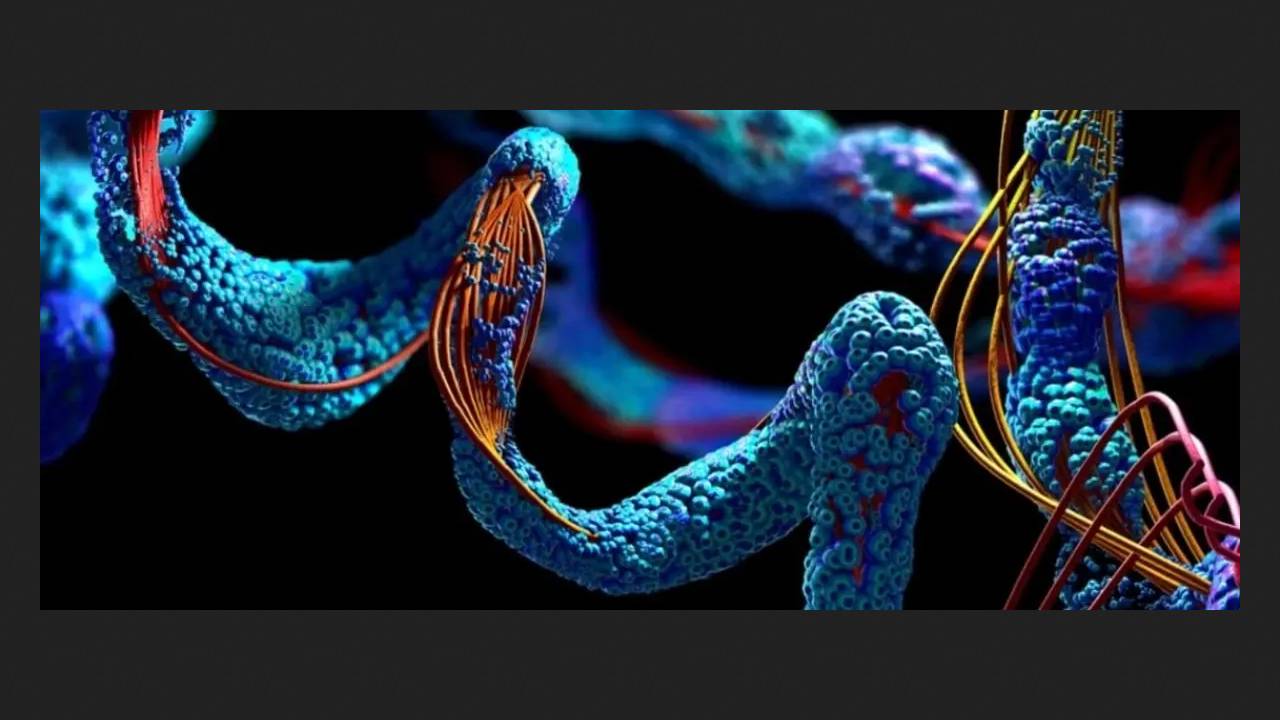
Scientists from Northwestern University have developed the most advanced spinal cord organoid model, which accurately simulates the key effects of injury. For the first time, the model has enabled the detailed monitoring of tissue changes, and the new data has formed the basis for treatment that initiates the regenerative cycle.
The treatment activates cellular receptors using specific peptides that stimulate regeneration. Preclinical experiments on organoid models and animals with acute spinal cord injuries have demonstrated that this treatment stimulates the growth of axons that conduct nerve impulses and significantly reduces scarring of damaged tissue.
"The results are very encouraging and open up great prospects for humanity," the scientists commented.
The treatment was tested on compression injuries and severe wounds—the two most common types of injuries in people involved in car accidents and other situations—as part of the experiments. Pilot clinical trials could begin as early as the end of this year.
Previously, other scientists presented an implant that restored mobility after a spinal cord injury. The therapeutic effect was achieved within a month.
