
Chronic stress depletes the body, increasing the risk of developing all major chronic diseases, especially cardiovascular disease and mental health disorders. Currently, doctors rely on patient surveys to assess stress levels, as well as blood cortisol and inflammation levels. However, this approach has its drawbacks, including a multi-stage diagnostic process and inaccurate assessments.
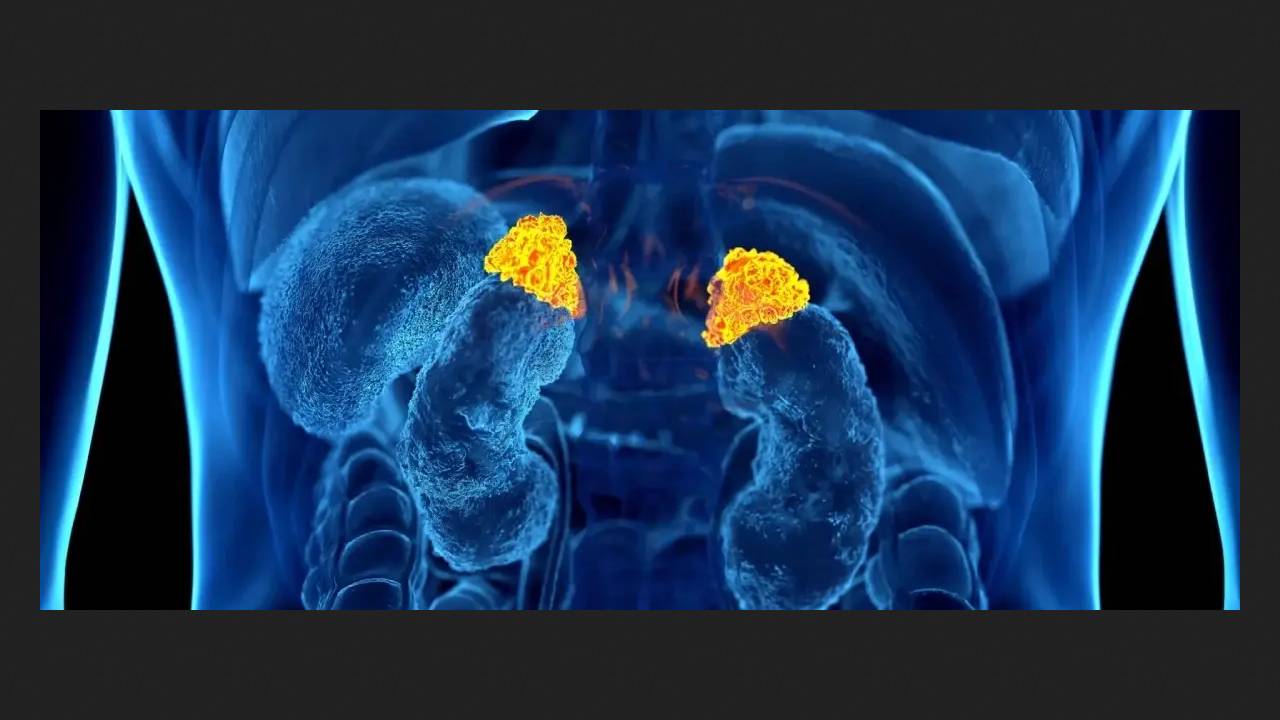
US scientists decided to use CT scan data and developed an artificial intelligence algorithm to assess adrenal gland volume, Science Daily reports . "Unlike a single blood cortisol test, which reflects stress only at one point in time, adrenal gland size functions more as a long-term indicator of chronic stress," they explained.
The new approach was tested on a sample of nearly three thousand people who had previously undergone chest CT scans. Additionally, during the experiment, they took salivary cortisol levels eight times a day. These data were analyzed based on each participant's medical history.
As a result, the CT AI data were consistent with standard questionnaires on stress levels, circulating cortisol levels, and future cardiovascular disease risks over 10 years.
"This is the first-ever validated indicator of chronic stress that has shown an independent effect on cardiovascular events such as heart failure," the authors emphasized.
The researchers believe that using the adrenal volume index in clinical practice can improve and expedite the assessment of chronic stress levels in individuals, particularly men and women at high risk for cardiovascular disease. However, it's worth noting that, in addition to cardiovascular pathologies, the tool will be useful for predicting obesity, depression, and other stress-related conditions.
The inaccuracy of laboratory tests for assessing stress levels is well illustrated by the results of a recent study. Dehydration was found to dramatically increase salivary cortisol levels.
