
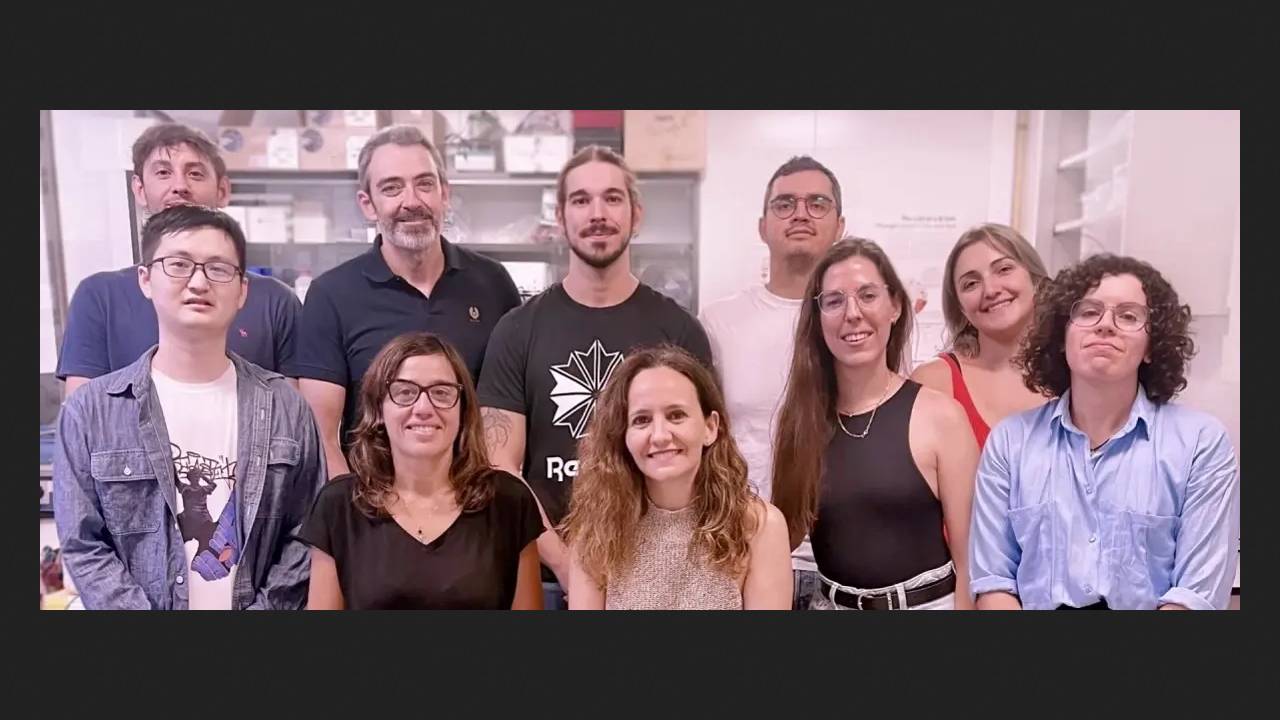
A team from the Miguel Hernández University of Elche demonstrated that the protein LSECtin plays a key role in the new mechanism, Medical Express reports . LSECtin is typically expressed by specialized liver cells and blocks the proliferation of pro-inflammatory Th17 immune cells. However, as cirrhosis progresses, protein levels decrease, increasing the risk of liver tissue damage.
"When LSECtin levels drop, Th17 cells, and especially the inflammatory lymphocyte type, proliferate and worsen liver damage," explained co-author Sebastian Martinez.
Initially, experiments in mouse models showed that restoring LSECtin levels in the liver had a protective effect. Then, the scientists discovered that LSECtin acts through the LAG-3 receptor, using it to disable Th17 cells.
"The LSECtin-LAG-3 interaction blocks the proliferation of Th17 cells and promotes the emergence of regulatory immune cells, which strengthen immune tolerance and reduce inflammation. This is a dual mechanism: it suppresses what causes harm and enhances what provides protection," said study co-author Esther Caparrós.
Scientists have already confirmed that LSECtin deficiency is also characteristic of liver cirrhosis in humans. Further research will be aimed at assessing the potential of this new therapeutic strategy in humans. If successful, the new approach will allow doctors to manipulate patients' immune responses at different stages of cirrhosis to slow disease progression.
Previously, other scientists found that liver cirrhosis progresses more rapidly in men, so they require an individualized treatment plan.
